From West Georgia to Washington: Advocacy, Leadership, and Innovation for Children
From West Georgia to Washington: Why Advocacy Is Part of the Work
Why would a Child Advocacy Center serving Carroll, Haralson, and Heard Counties travel more than 700 miles to Washington, D.C.?
Because decisions made in Washington eventually reach West Georgia.
They reach the forensic interview room when a child needs to talk with someone trained to listen. They reach the advocate sitting beside a caregiver who does not know what happens next. They reach the therapist trying to get a child into treatment quickly, the nurse providing a specialized medical examination, and the multidisciplinary team working together to keep a child safe.
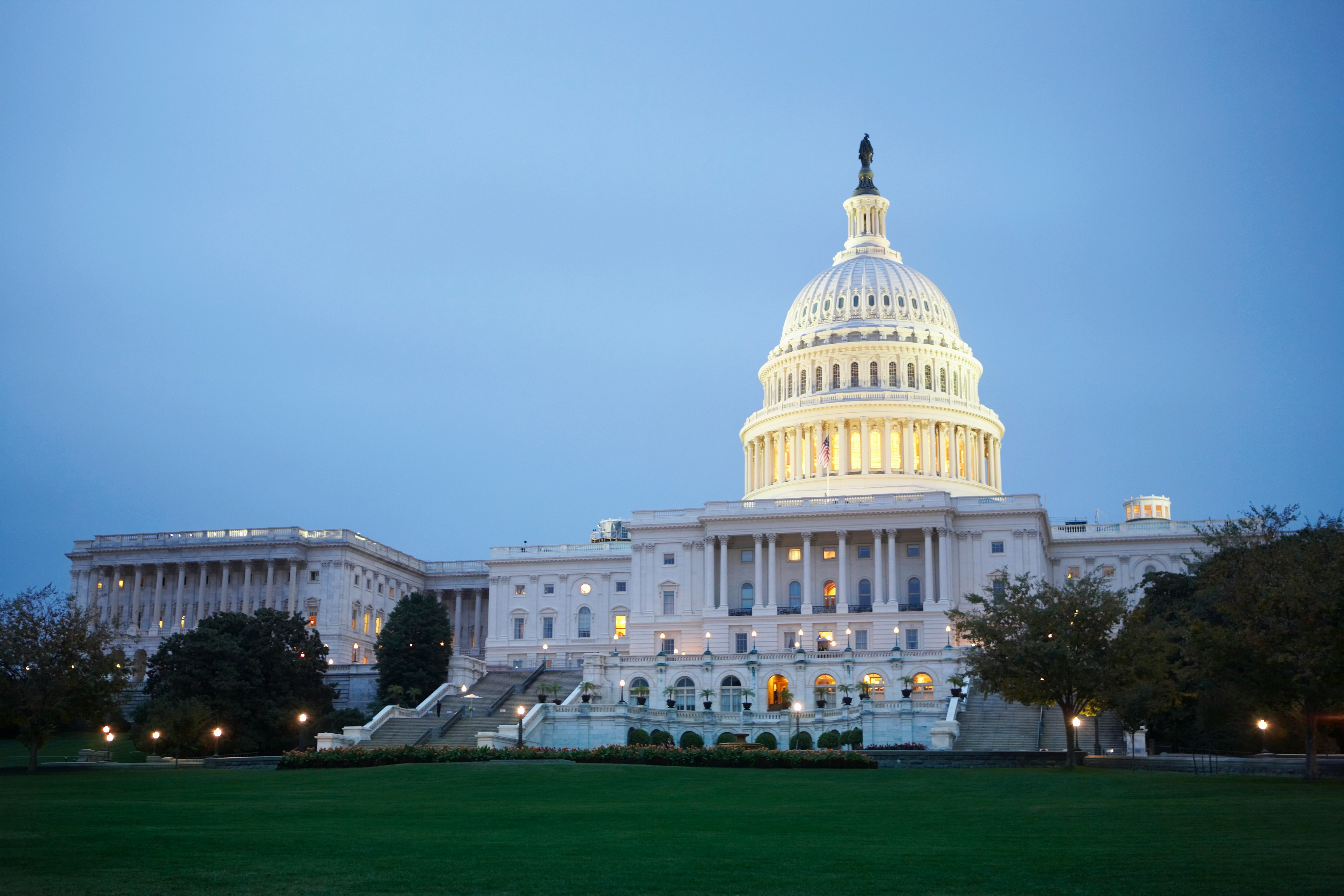
That is why, this summer, members of the West Georgia Child Advocacy Center team traveled to Washington for the 30th Annual National Children’s Alliance Leadership Conference — and why part of that trip included taking the needs of West Georgia children directly to Capitol Hill.
Taking West Georgia With Us
During Hill Day, WGACAC met with staff from the offices of U.S. Senators Raphael Warnock and Jon Ossoff.
We were there for a simple reason: policymakers need to understand what federal decisions look like when they reach communities like ours.
For a Child Advocacy Center, federal funding is not an abstract line in a budget.
Funding through the Victims of Crime Act (VOCA) and other federal programs helps communities maintain the people, training, technology, and services necessary to respond when a child has experienced abuse.
And the need for those services is not decreasing.
WGACAC completed 532 forensic interviews in FY2026, compared with 438 the previous fiscal year — an increase of more than 21 percent. Our overall service activity has grown as well, while rural families continue to face challenges including distance, transportation, provider shortages, and limited access to specialized trauma treatment.
So when we sit down with congressional staff, those are the realities we bring with us.
Not politics.
Children. Families. Access. Capacity. And the importance of keeping high-quality victim services available close to home.
We appreciate the staff of both Senator Warnock and Senator Ossoff for taking the time to listen, ask questions, and learn more about the work happening in West Georgia.
Why VOCA Matters
One of the most important national conversations affecting victim-service organizations right now is the future stability of the Crime Victims Fund, which supports VOCA grants across the country.
Children’s Advocacy Centers are part of a much larger network of organizations that depend on these resources to serve victims of crime. National Children’s Alliance continues to advocate for passage of the Crime Victims Fund Stabilization Act, legislation intended to strengthen the long-term stability of that fund. The House passed its version of the legislation in January 2026, and the issue is now before the Senate.
For WGACAC, the reason this matters is straightforward.
Stable victim-services funding means communities can retain trained professionals, provide evidence-based mental health treatment, support caregivers, coordinate investigations, and make sure children do not have to travel hours to receive specialized care.
Especially in rural communities, losing capacity does not simply mean doing the same work with less money.
It can mean waiting longer, traveling farther, or not having a service available at all.
That is why advocacy matters.
We Went to Washington to Learn — and to Teach
The other half of our Washington trip happened inside the National Children’s Alliance Leadership Conference.
WGACAC joined CAC professionals from across the country to learn from other communities, exchange ideas, and examine where the child advocacy movement is headed next.
But this year, West Georgia also had something to contribute.
Our team presented two sessions at the national conference:
Addressing Wait Times in Rural CACs: Implementing the Child and Family Traumatic Stress Intervention (CFTSI)
and
Preventing Child Deaths with CARE: From First Response to MDT Action
Those presentations represented two very different programs, but they grew from the same question:
How do we make the system move faster for children?
CFTSI: Helping Families Sooner
The Child and Family Traumatic Stress Intervention (CFTSI) is a brief, evidence-based early intervention designed for children and caregivers following a potentially traumatic event.
For WGACAC, CFTSI has helped address one of the most persistent challenges facing rural communities: the gap between a child experiencing trauma and actually beginning meaningful mental health support.
That challenge is hardly unique to West Georgia. National Children’s Alliance recently highlighted WGACAC’s work with CFTSI while examining mental health workforce shortages and the importance of getting children into effective services sooner.
Our experience has reinforced something simple but important:
A child should not have to get worse while waiting to get help.
CARE: Getting the Response Moving Earlier
The CARE — Child At Risk Evaluation — Program tackles delay at another point in the process.
CARE strengthens communication between law enforcement, DFCS, the CAC, and other multidisciplinary partners so concerns can be identified earlier and children can reach appropriate services more quickly.
Our data have shown a significant difference.
For participating CARE agencies, the average time from law enforcement involvement to forensic interview has been approximately three days, compared with more than fifteen days for non-CARE agencies.
Again, the underlying principle is simple:
When professionals communicate earlier, children can receive the right response sooner.
Local Work. National Voice.
There was something especially meaningful about presenting those programs in Washington on the same trip that we were meeting with congressional offices.
In one room, we were asking national leaders to understand what rural Child Advocacy Centers need.
In another, we were showing CAC leaders from across the country what a rural center in West Georgia has learned.
That is what advocacy should look like.
It is not simply asking for funding.
It is bringing data. Sharing experience. Listening to others. Building relationships. Showing what works. Explaining where the gaps remain. And making sure the children we serve have a voice in conversations they will never personally be in the room to have.
Then We Bring It Home
WGACAC serves Carroll, Haralson, and Heard Counties. That will always be the center of our work.
But serving those communities well sometimes means going beyond them.
It means learning from a CAC hundreds of miles away.
It means presenting an idea developed in West Georgia to colleagues from across the country.
And sometimes, it means sitting down in Washington, D.C., and explaining why a federal funding decision matters to a child and caregiver back home.
We will continue doing all three.
Because whether the conversation happens in a forensic interview room in Carrollton, at a mobile service location in Franklin or Tallapoosa, at a national conference, or in an office on Capitol Hill, our responsibility remains the same:
to make sure children are heard, families are supported, and the systems around them are prepared to respond.
That is advocacy.
And that is part of the work.
You can be part of that work, too. Support WGACAC, follow our advocacy efforts, and join us for Art & Antics for Advocacy 2026 on November 19 at the UWG Campus Center Ballroom. Every sponsorship, ticket, donation, and community partnership helps ensure that when a child in West Georgia needs us, the services they need are here.